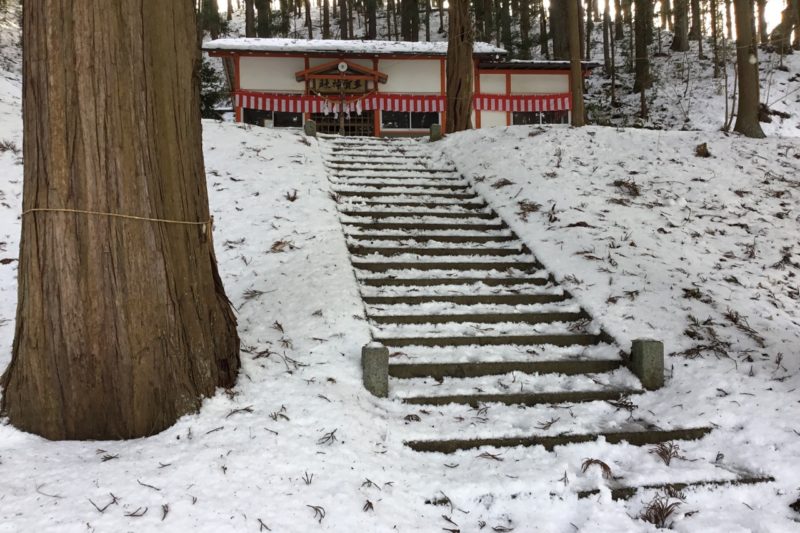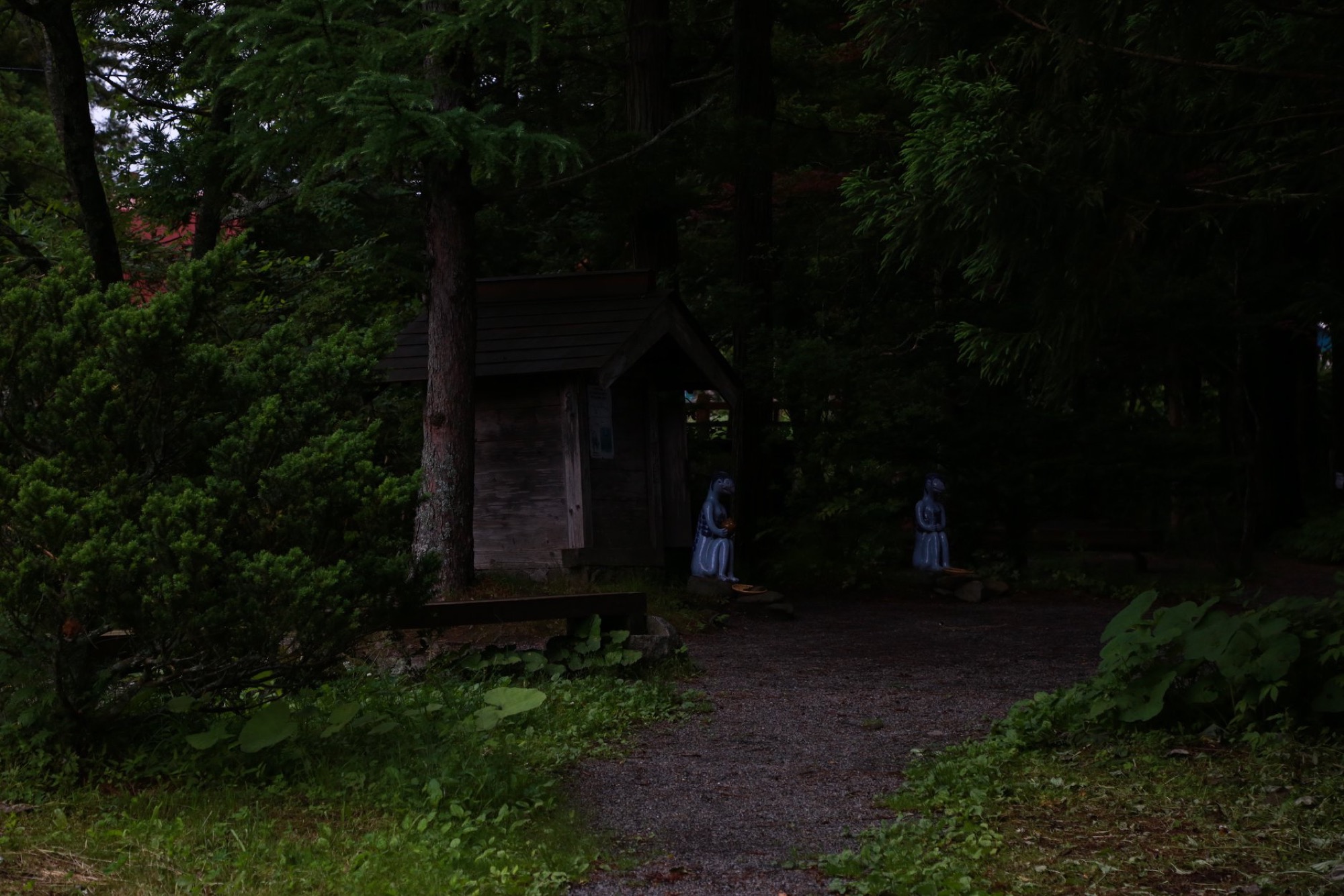
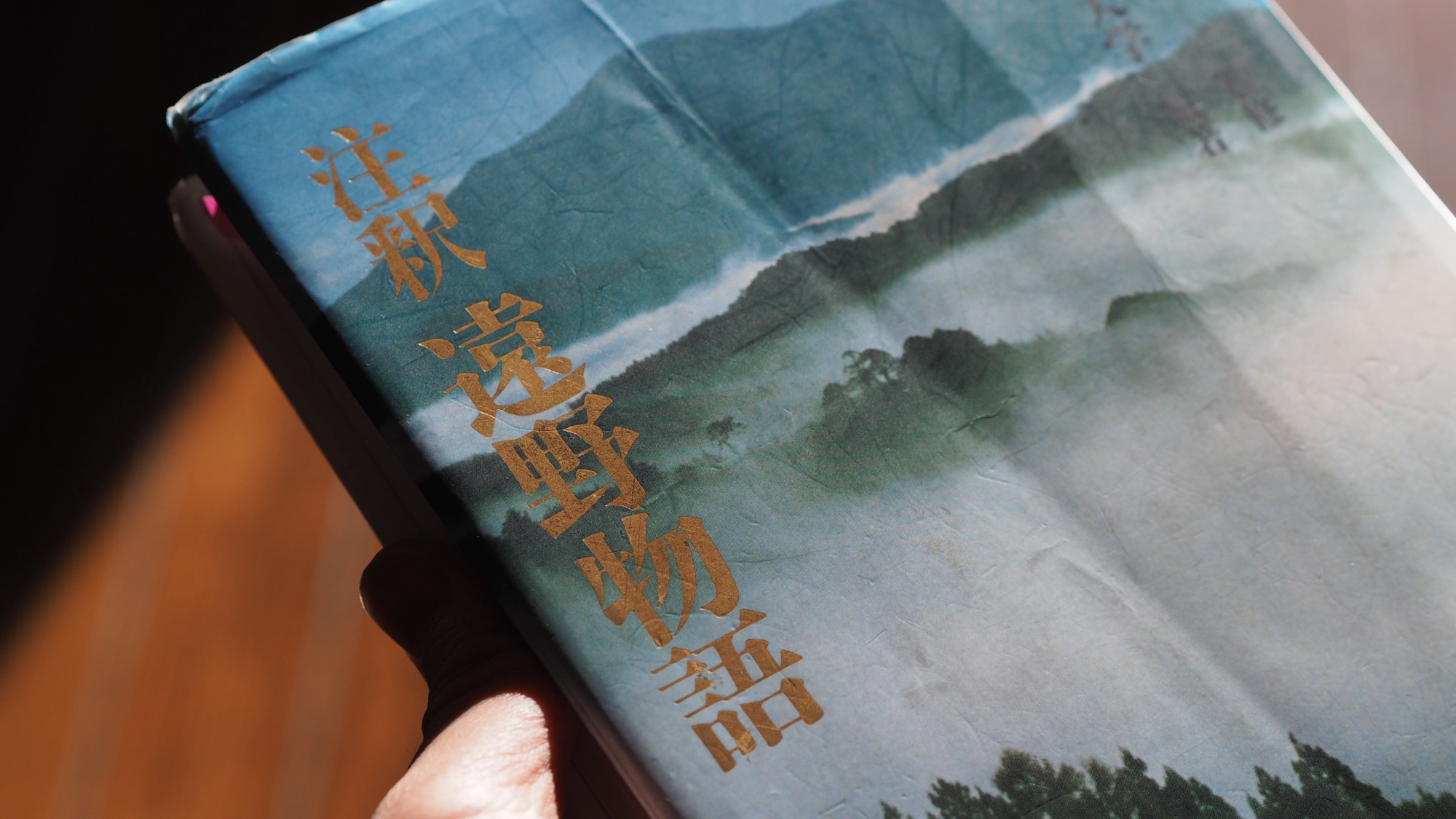
We modern people are familiar with the sight of yōkai rampaging through manga and anime such as “GeGeGe no Kitarō“, “Demon Slayer: Kimetsu no Yaiba“, and “Jujutsu Kaisen“. The yōkai we imagine are beings with unusual appearances that differ from ordinary plants, insects, and fish, possessing abilities that transcend human comprehension. The term is also sometimes used to refer to invisible paranormal phenomena, allowing people to say that “it’s the yōkai‘s doing”.
Here in Tōno, there are numerous folk tales related to strange beings such as Kappa, Tengu, and Zashiki Warashi, demonstrating that people have lived alongside yōkai. However, there are virtually no records of their physical features, so we can only imagine and recreate their appearances based on tales that have been handed down. For example, Kappa are generally depicted as having blue-green bodies, carrying a turtle shell on their backs, bearing a plate on their heads, and pecking at cucumbers with their beaks. Tōno’s Kappa are said to be red, about the size of a human child, with large mouths and monkey-like limbs. This characteristic of having a red body is similar to that of the mountain men and Tengu in Tōno.
People say that the red Kappa of Tōno are babies that were thrown into the river to reduce the number of children during times when famines caused by cold weather occurred in succession (in Japanese, babies are written 赤子, ‘akago‘; red child). This creature, so intertwined with human lives, is also connected to the deity of water, considered essential for rice cultivation, enshrined as the guardian of fast-flowing rivers and the lakes and marshes that are their sources. The land of Tōno brings the fantastical existence of yōkai into the realm of daily life.
On the other hand, there are still tales of mysterious phenomena that cannot be explained. The best examples are the folklore surrounding Futtachi, Yama Otoko, and Yama Onna. Futtachi, said to be the elder of the beasts, and the people who inhabit the otherworld of the mountains sometimes threaten villagers by throwing stones and frightening them with their voices. Do they act as a buffer between the village and the mountain – a place with a cosmology distinct from that of the village – preventing us from wandering into another world? Amongst the villagers, such beings are spoken of as creatures that simply exist, having neither positive nor negative influence.
According to Kizen Sasaki, the storyteller of “The Legends of Tōno”, Kappa becomes Zashiki Warashi when it enters a household. As this example shows, metamorphosis within yōkai occurs rather fluidly. Strange beings are at times animals, at times human, at times spirits – they easily traverse the boundaries of our understanding between human, animal, inanimate objects, and supernatural divine spirits.
If you wish to research yōkai in Tōno, it is recommended to adopt both the practicality of examining the microscopic daily lives behind the folk tales and the ability to dynamically imagine the history of how people across the world have lived with their phantoms.
RCulture Bites
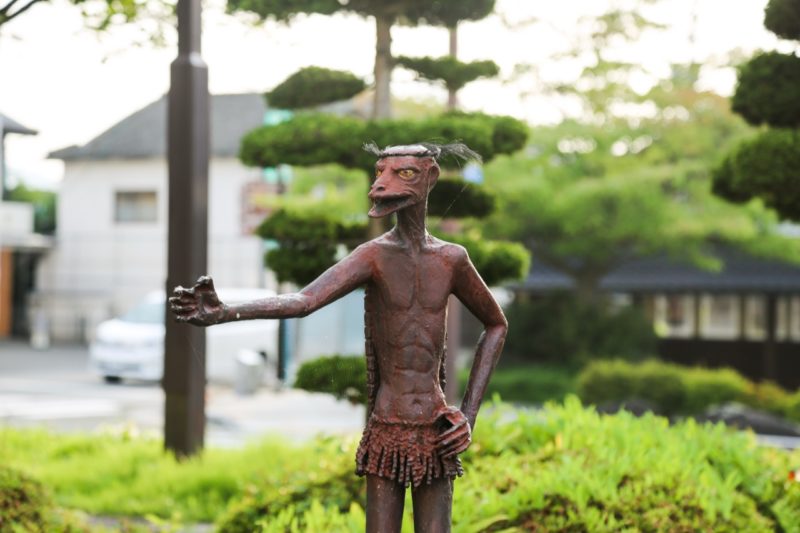
1Kappa
One of the major yōkai in Japan, dwelling around rivers. It is said that if you approach the water's edge, the Kappa will extract your shirikodama (a mystical ball believed to reside in the anus; once taken, you lose all vitality). This story has been used as a warning for children not to play near dangerous water areas.
RCulture Bites
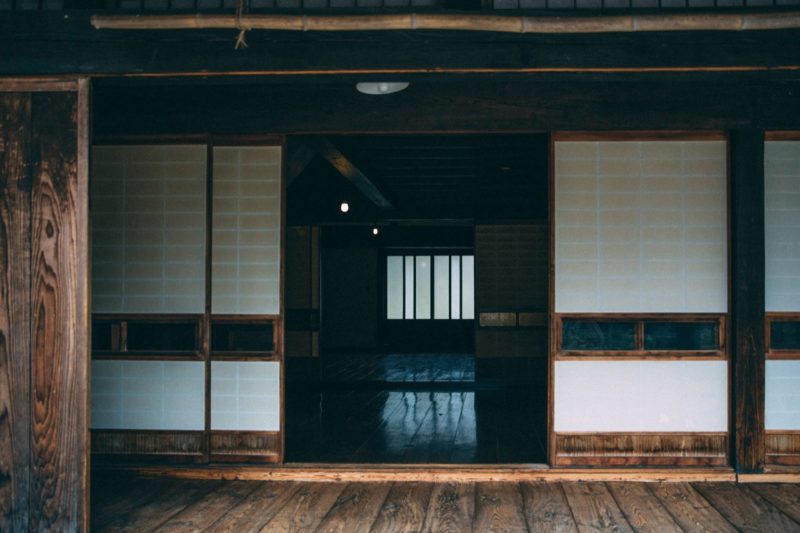
2Zashiki Warashi (Parlour Child)
A deity that governs the prosperity of a family, with families generally becoming wealthier if one remains in their home. Typically has the appearance of a child around ten years old. In Tōno, tales tell that Zashiki Warashi dwell in attics or inner parlours.
RCulture Bites
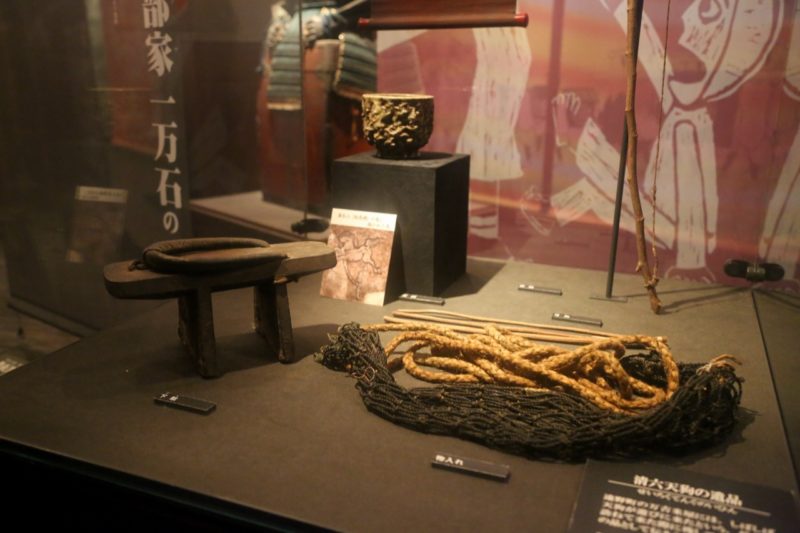
3Tengu
A human-like creature with a scarlet red face, long nose, and large wings, flying freely through deep mountain forests. The white clothing and geta (wooden clogs) are thought to be a motif of esoteric monks who train in the mountains. In Tōno, Tengu lives on a mountain called Amagamori.
RCulture Bites
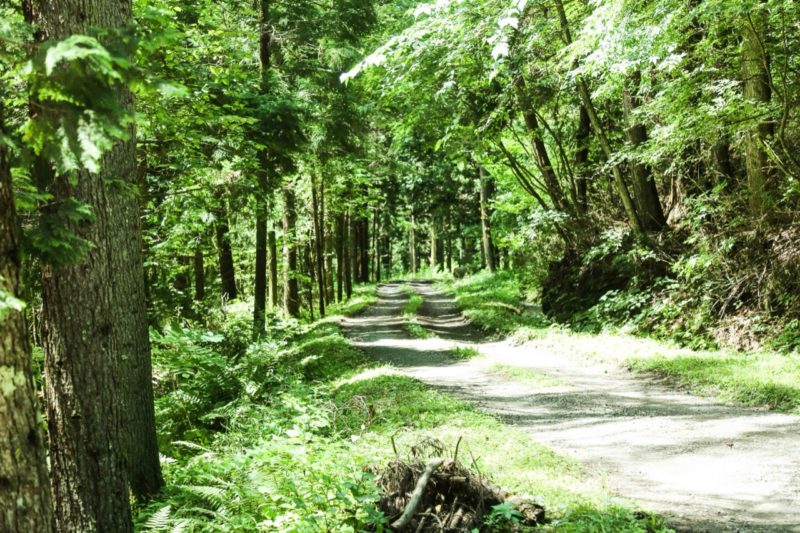
4Yama Otoko/Yama Onna (Mountain Men/Mountain Women)
Enigmatic figures are described in various ways, such as beautiful women, giant men, or Tengu-like beings. The author of "The Legends of Tōno", Kunio Yanagita, sought to find a utopia of an independent and self-sufficient community within the hunter-gatherer societies of mountain people, distinct from the plains-dwellers who cultivate rice. Ideas from agricultural politics underpinned Yanagita's interest in the folktales of Tōno's mountain people.
RCulture Bites
5Futtachi
Apes or wolves that possess special powers and have lived unnaturally long lives in the mountains. The chief of the beasts.
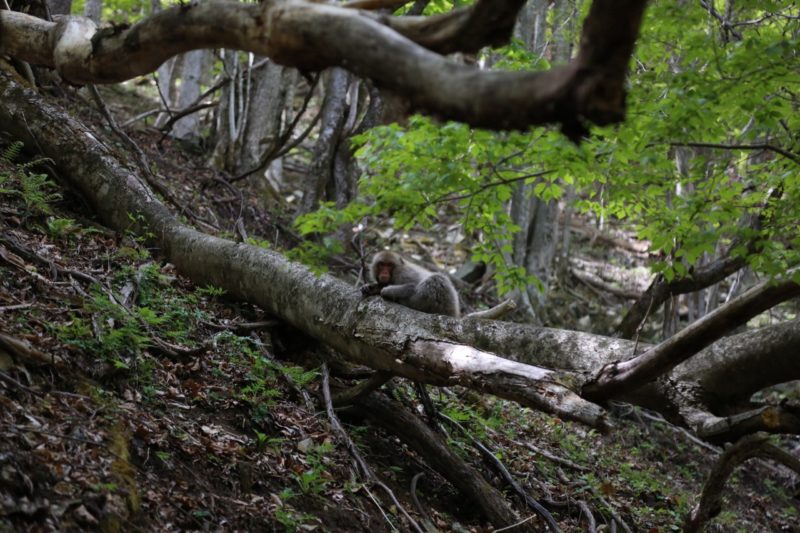
RSite
1Kappa Pond
There are said to be fourteen locations in Tōno City where Kappa can be seen. The most famous is Kappa-buchi in Tsuchibuchi village. Not only are there numerous sightings along riversides, but they can also be encountered near mountain entrances.
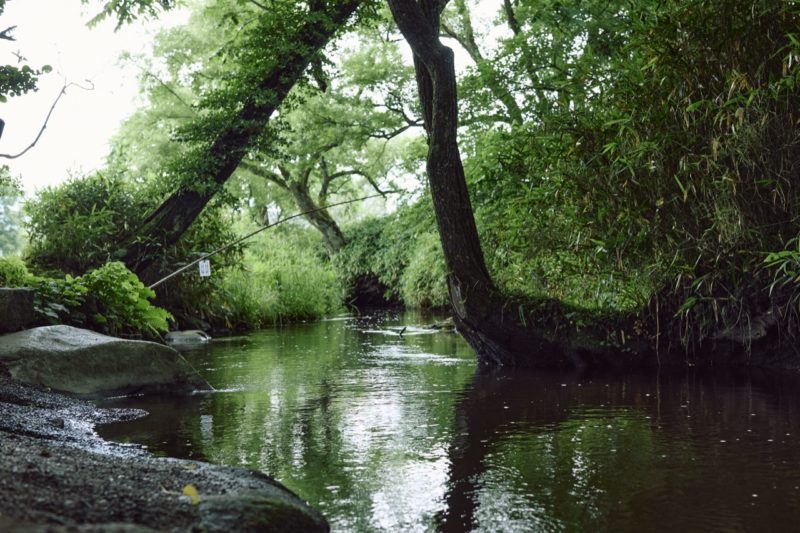
RSite
2Yamaguchi Village
The village where Kizen Sasaki, the storyteller of "The Legends of Tōno", was born. It serves as the setting for many stories, including those of Kappa, Zashiki Warashi, Dendera Field, and ghosts.
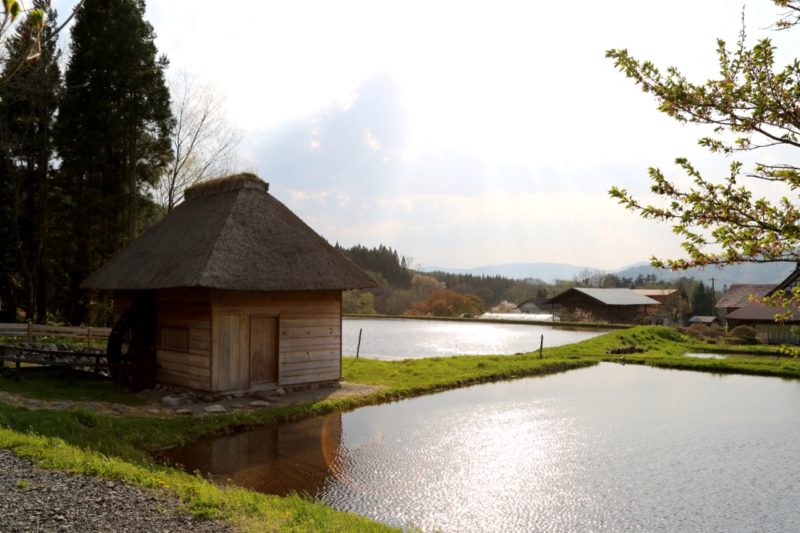
RSite
3Mount Rokkōshi
One of the three mountains of Tōno, this mountain is said to have been claimed by the second sister of the goddess. There are legends concerning various animals such as wolves, bears, deer, monkeys, and Futtachi.
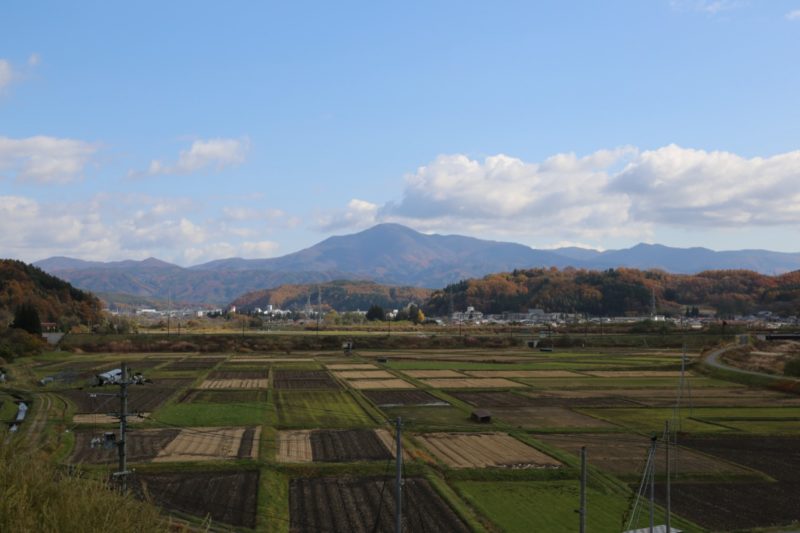
RSite
4Taga Shrine
A place where a fox is said to have transformed into the paintbrush of an artist who was painting the kuyō egaku, a memorial picture frame that paints the deceased spending a happy life. Even now, many foxes can be seen on the border between villages.