—— I spoke to ’em that since ancient times, Japanese hast had this view of perpetual wink, maugre hundreds of years of good Buddhist influence, the feeling that the soul goes up the mountain when thou die still lurks deep in the consciousness. (“Were the Souls Go” Kunio Yanagita)
To think of the dead and pray for their souls is a custom practised since ancient times. In addition to Buddhism and Shinto, Tōno still possesses a wealth of folk beliefs, leading to wide variations in memorial service styles and views on life and death that transcend religious boundaries. Learning about this attitude towards the dead allows us to imagine the people who lived in that era.
To begin with, where does the soul go after leaving the body? In Tōno, it is said that one can ascend and return to Mount Hayachine, one of the three principal mountains of Tōno. This sacred mountain is the second-highest in Iwate Prefecture, to which Tōno belongs, and is located in the far north of the city. A place for religious training, and also a place for the soul to return. On the other hand, some people living in the urban areas of Tōno say, “When I die, I want to return to Mount Rokkōshi,” which is also one of the three Tōno mountains and can be easily seen from town. In any case, the soul returns to the mountain overlooking the basin.
A memorial practice unique to the Tōno area is known as Kuyō Egaku (Memorial Painting). It is a mourning custom in which an artist draws a picture of the deceased surrounded by the things and lifestyles they cherished during their lifetime, in the hope that they will live happily in their next life. In the painting, a person who enjoys sweets has confections depicted beside them, and a person who loves eating has a sumptuous meal drawn. Many of the deceased depicted in Kuyō Egaku are young women. For example, a small baby is shown in a painting as a requiem for a young woman who died during childbirth. We can see the wishes of those around her, wanting her to experience a happier life with her baby – something she was unable to achieve in this lifetime.
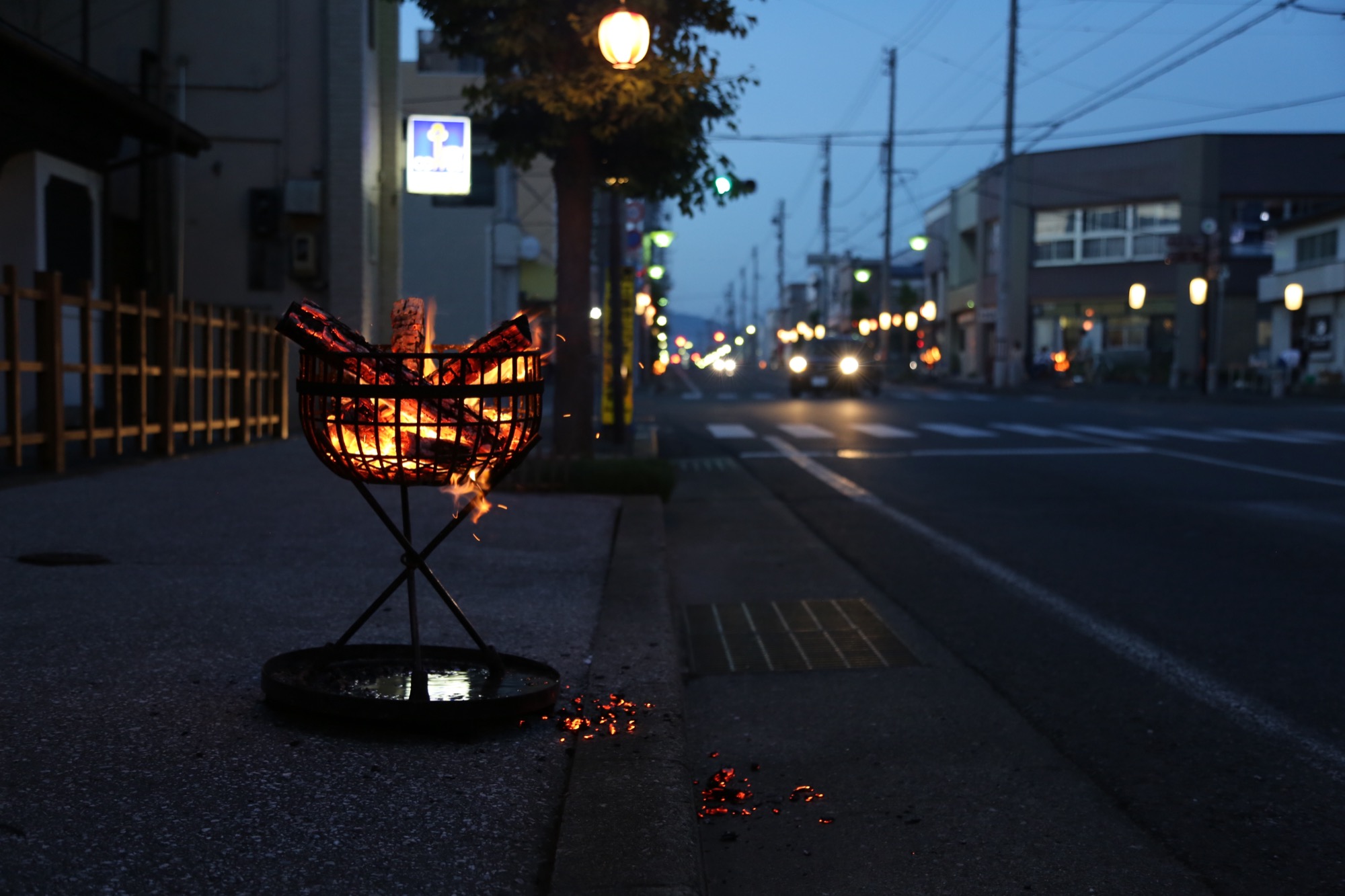
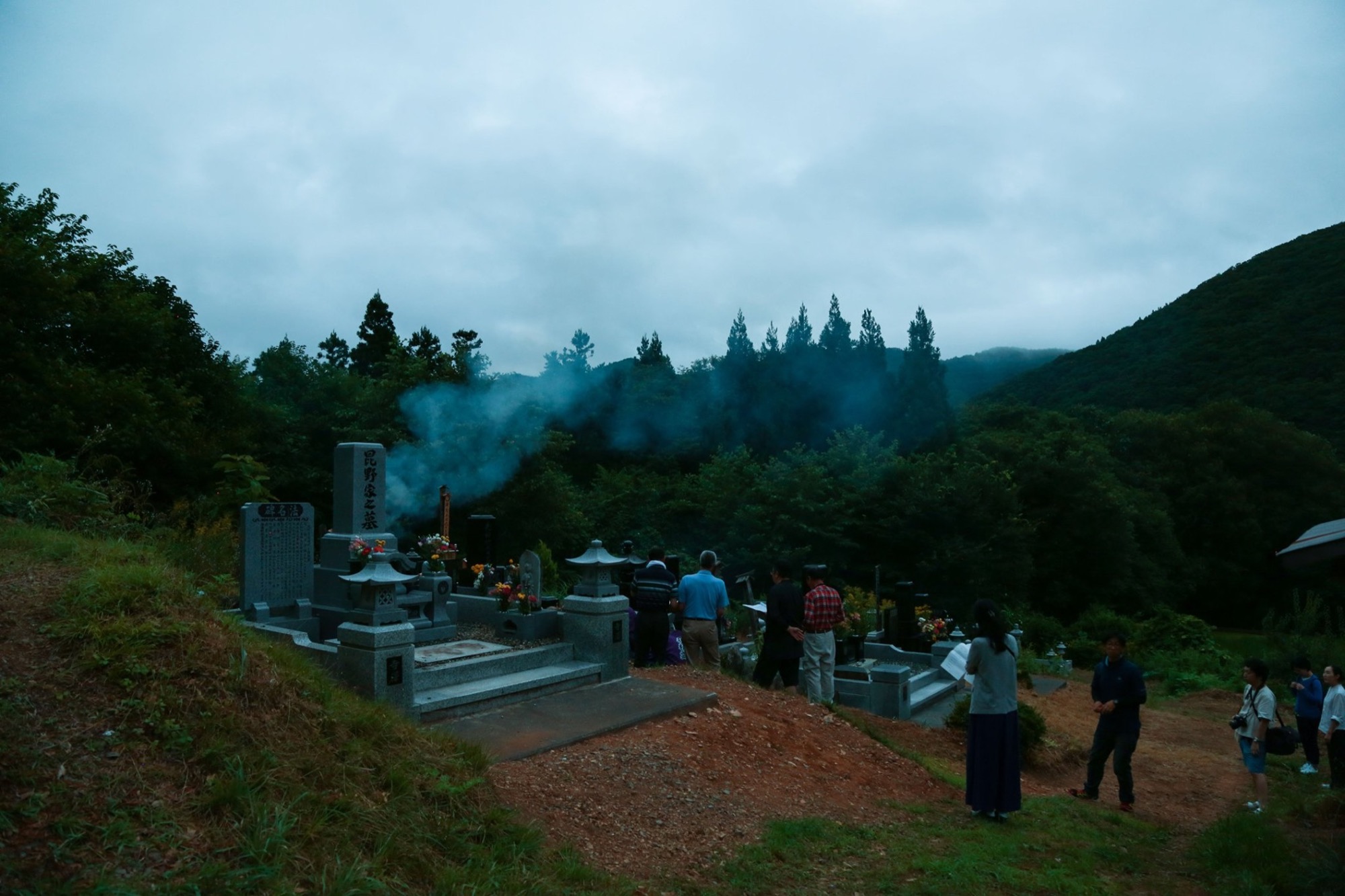
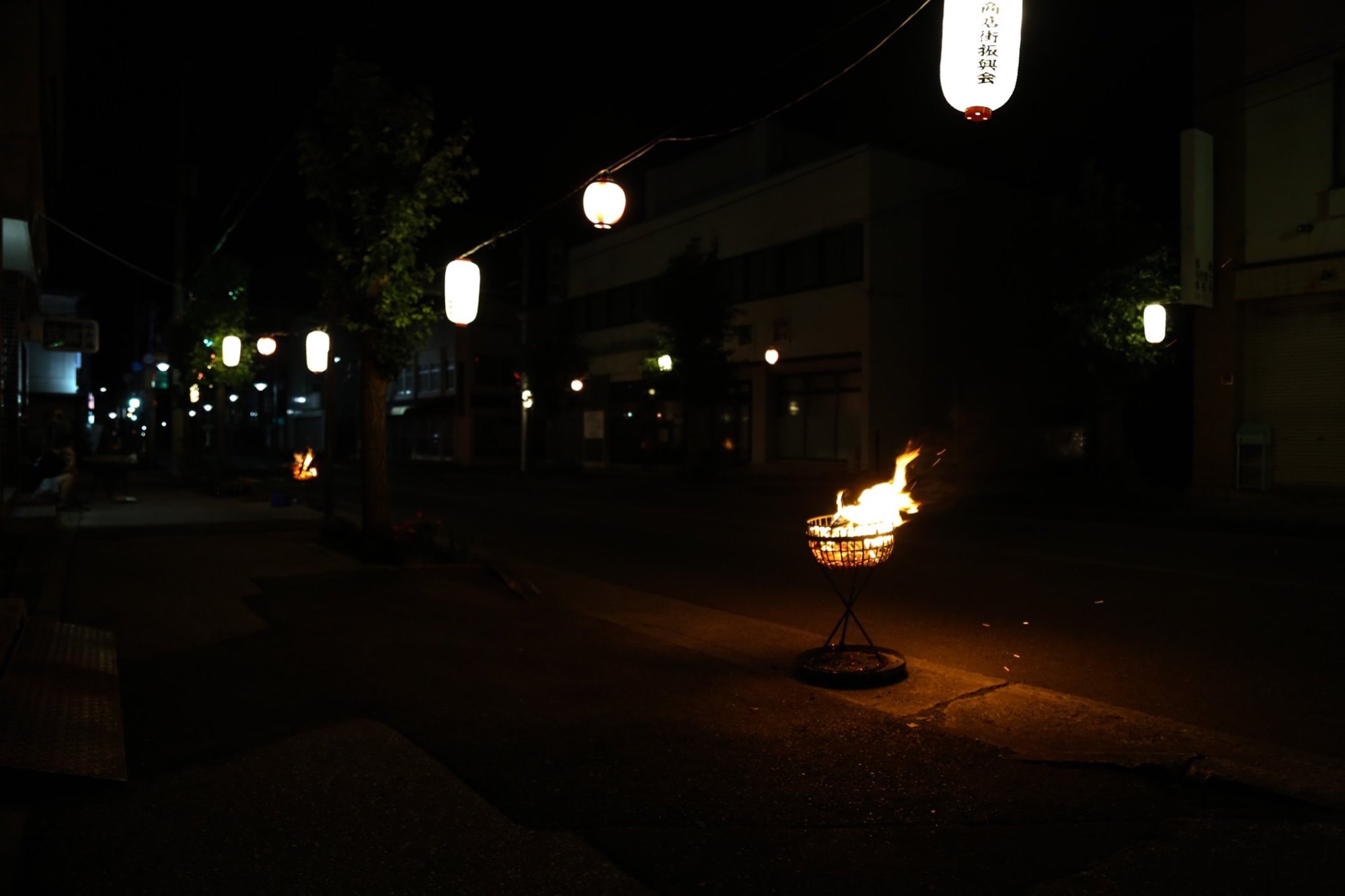
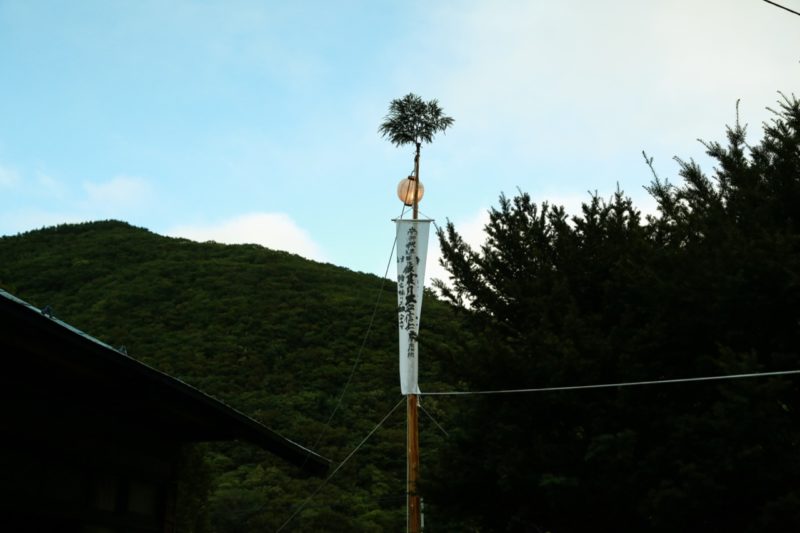
The event where the view of life and death is most keenly felt is the Obon festival in summer. In August, you can see Mukai-Toroge (greeting lantern tree) everywhere in Tōno. A lantern tree taller than the roof is erected in front of the house and is prepared every year for three years following a death as a landmark for the soul to return home. Depending on the area, cloth bearing posthumous names – white for men and red for women – is hung and sways in the summer breeze.
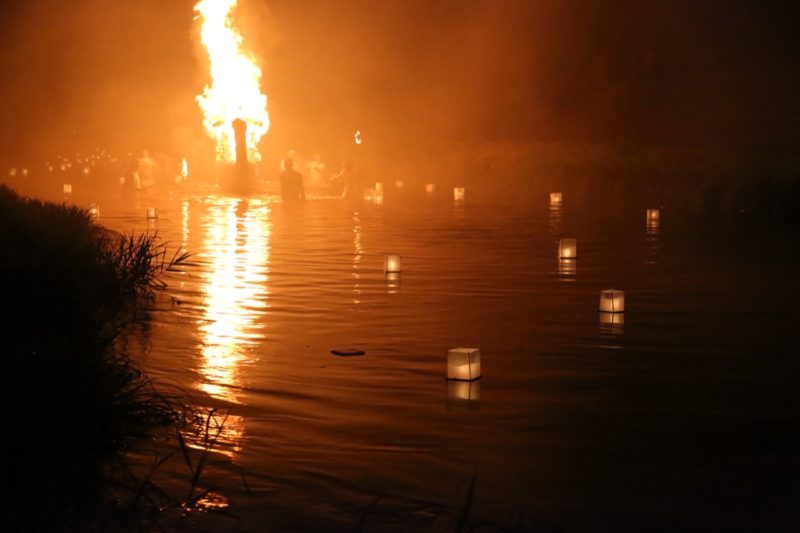
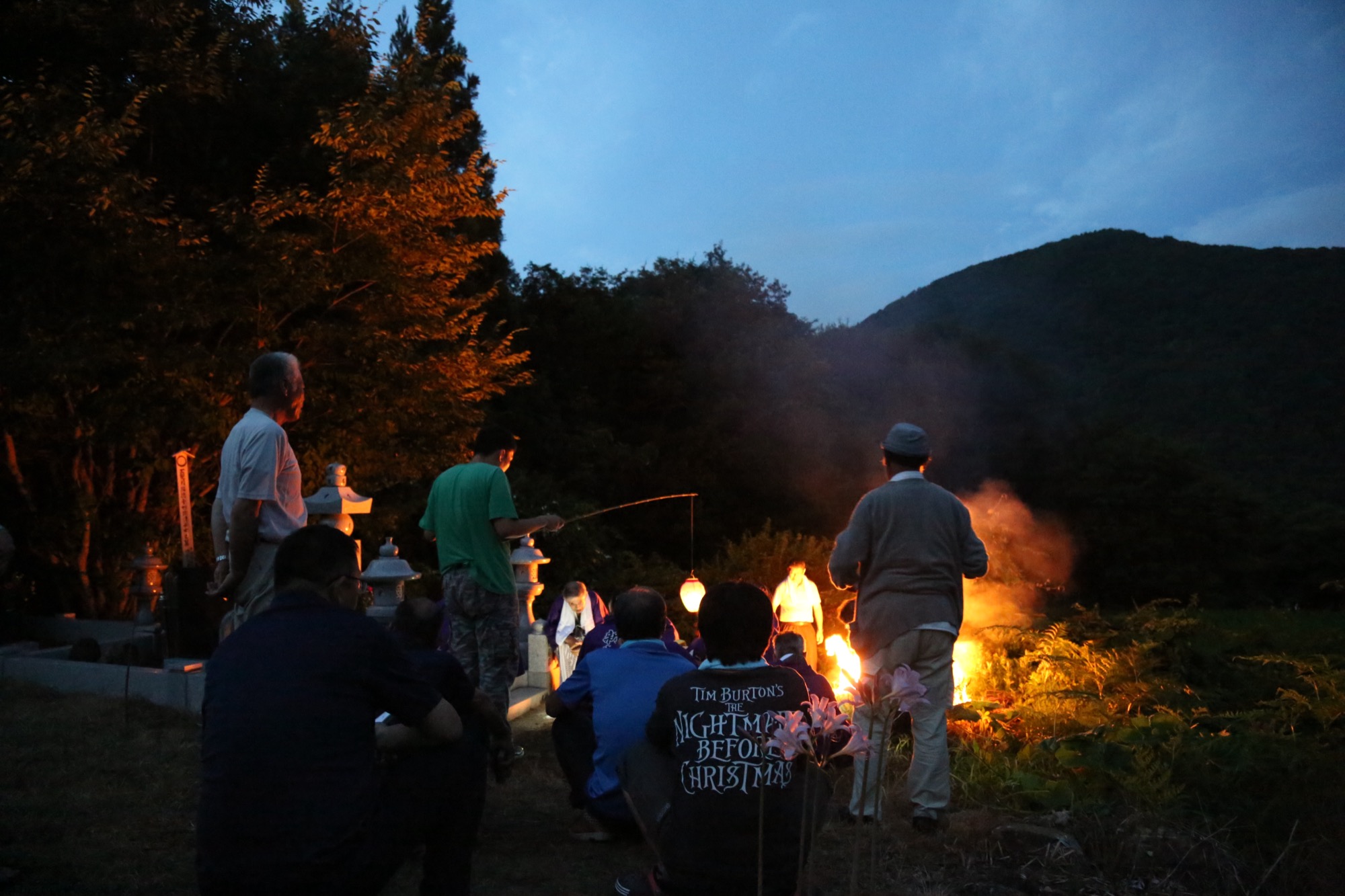
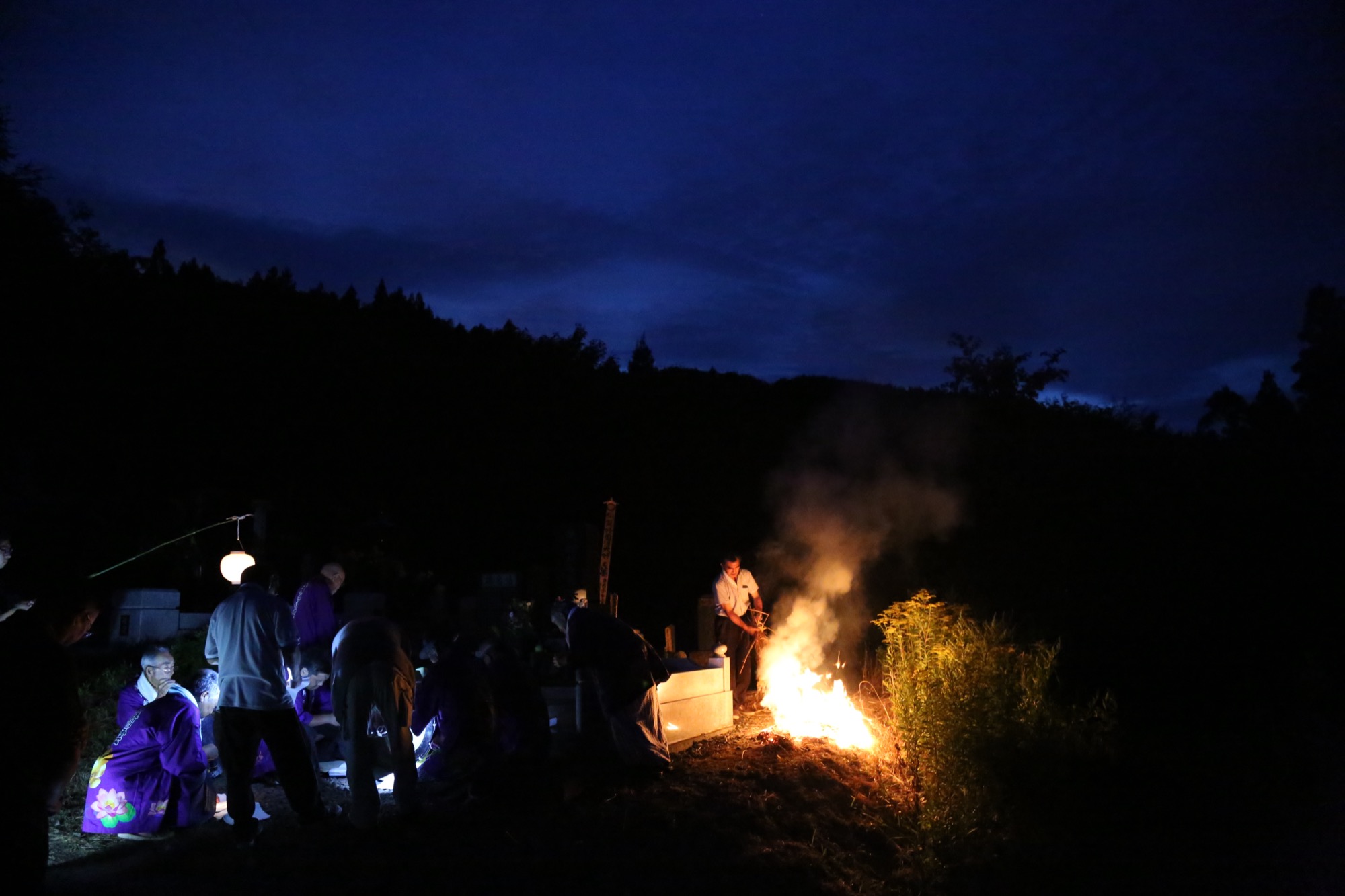
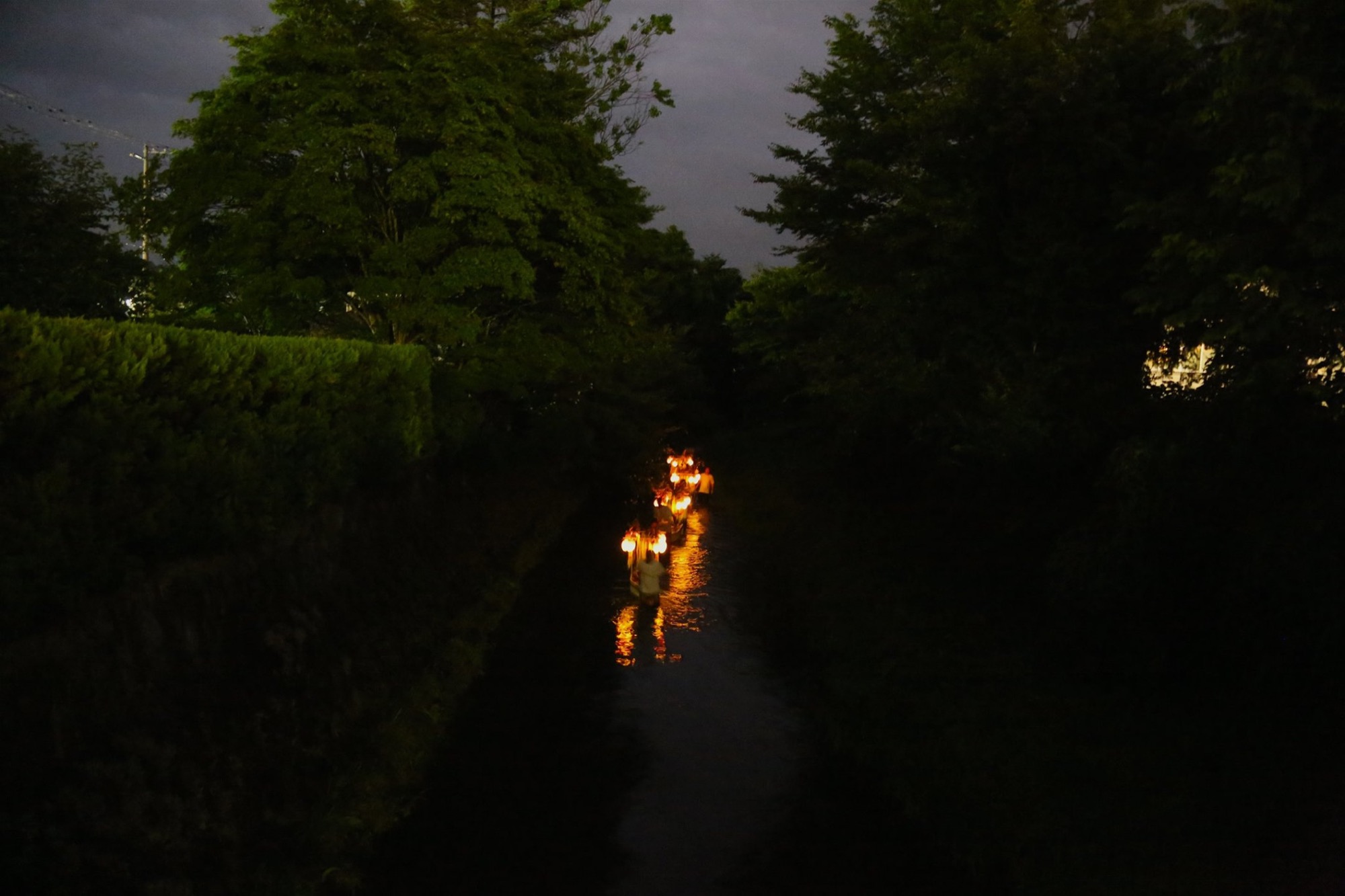
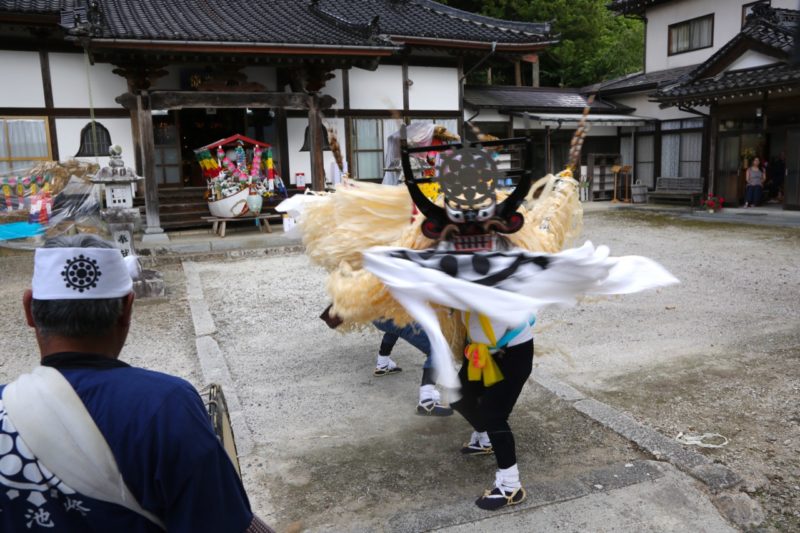
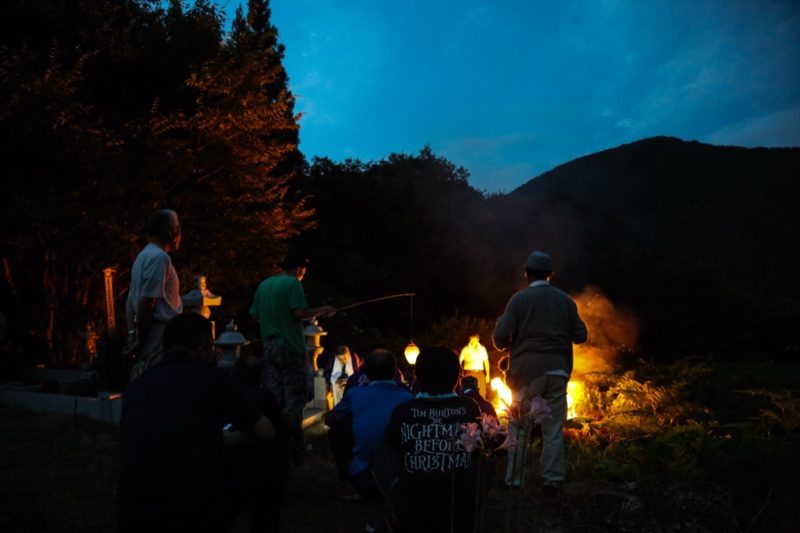
During the Obon period, Shishi Odori is performed in various places, including dances for the repose of souls known as Haka Shishi (Tomb Shishi) or Ihai Bome. Here, the wildness of the Shishi is replaced by rather sorrowful movements that seem as though the beast is mourning for the dead. In other areas where a custom called Misōrō (New Spirit) is practised, men visit the homes and graves of the deceased, light fires, and sing songs of requiem in heartrending tones. The lyrics of Misōrō change depending on the age and gender of the deceased; for example, if the deceased died at a young age, the expression “a flower that fell before blossoming” is used. At the end of Obon, a lantern float ceremony called Funakko Nagashi takes place, where the souls return to the afterlife along with the lighted boat.
Memorial services, including the Obon customs, exist not only for the dead but also for those left behind. Once a year, we have a moment where we face death and sorrow, allowing us to calm our hearts and giving us the strength to live again. It is probably no coincidence that in Tōno, where the cold was harsh and death was ever-present, various memorial services and requiem events like these are still held today. Contemplating the whereabouts of lost souls may lead us to reconsider how we should live in the present.
RCulture Bites
1Kuyō Egaku (Memorial Picture)
A memorial culture seen mainly in Tōno from the late Edo period (1780s) to the Meiji period (1910s). In order to mourn the deceased, an artist was commissioned to draw a portrait of the deceased living happily in the afterlife, and the painting was dedicated to a temple. It was a time when women often died young or during childbirth. There are overwhelmingly more paintings of women.

RCulture Bites
2Mukai-Toroge (Greeting Lantern Tree)
A tradition passed down in Tōno. Every year for three years following a death, a lantern tree is placed in front of the house as a landmark for ancestors returning home from 7th August until the end of August.
RCulture Bites
3Haka Shishi (Tomb Shishi)
A memorial dance performed during Obon using Shishi Odori. It is also called Ihai Bome, honouring the Buddhist mortuary tablet. Melancholy movements for the deceased and the quiet sounds of drums, flutes, and songs echo in the summer sky.
RCulture Bites
4Misōrō (New Spirit)
An Obon custom passed down in the Nagano area of Ōtomo district, Tōno. If there is a household in the village celebrating the first Bon festival, this is an event where people walk around the house and grave whilst chanting Buddhist prayers. The lyrics change depending on the gender and age of the deceased.
RSite
1Zenmyo Temple
A temple located in the city of Tōno. Many Kuyō Egaku were dedicated and are still displayed in the main hall. Many of the paintings were dedicated from merchants' houses, such as confectionery shops and pharmacies, and in the paintings we can see the various occupations and lifestyles of the time, as well as the ideal life in the afterlife.

RSite
2Funakko Nagashi (Boat floating)
An event during Obon to send off the spirits of ancestors and the deceased who were welcomed during Obon and to pray for good health. At Tokushō Temple in Tsukubaushi Street, a large boat carrying a memorial tablet is set on fire and floated down the river along with a lantern.