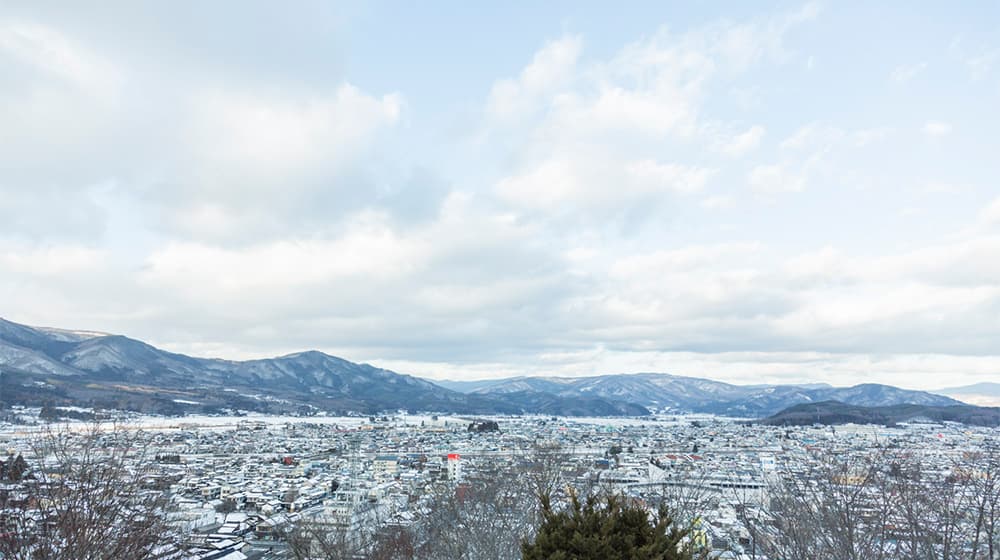
CSpring
–April - June
After overcoming severe winter, people and nature slowly begin to move, as if waking from hibernation, while plants begin to sprout. Wrap yourself with the festivity of fresh green leaves and calm sunlight, then detox by eating vegetables showing their face on the hills where snowmelt waters babble. Many traditional performances are planned during Golden Week (a week of national holidays in Japan, usually occurring around the end of April to the beginning of May). Going on a bike to roam the region is highly recommended.
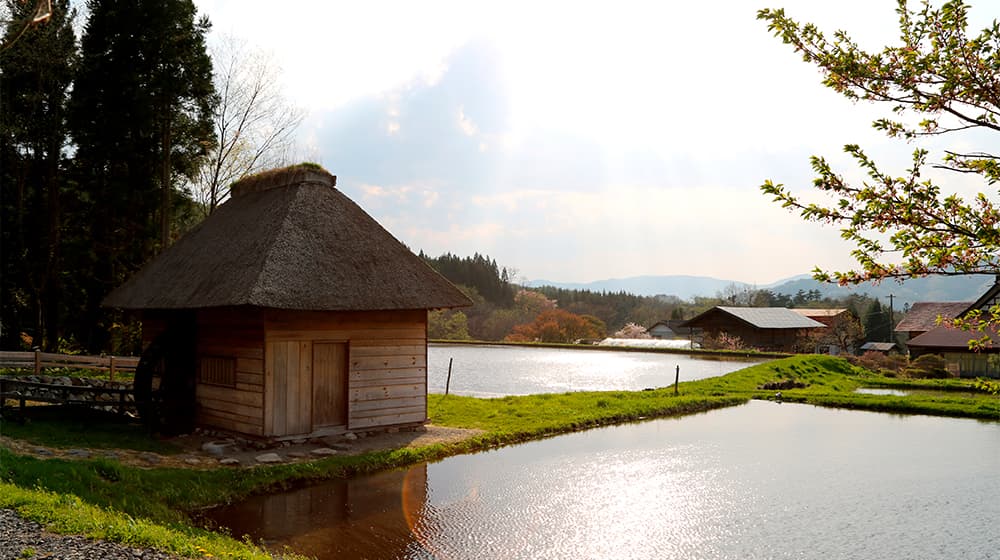
CSummer
–July - September
A season when Tōno is most active. You can see annual festivals of the shrines and traditional performances in different corners of the region, such as Shishi Odori (beast dance) and Kagura (traditional dances performed at shrines). In September, the Tōno Festival will be held, one of the largest festivals where 60 groups that perform traditional performances gather. Visitors can feel fantastic chaos where people, deities, and nature become a harmonious whole, the so-called “small basin cosmos”. Obon, a ritual to commemorate ancestors held in August, provides space to learn local customs and unique values on death and life that are continued today.
- Hayachine Shrine Annual Festival: July 17th night - 18th morning
- Custom of Obon: August 14th - 16th
- Sugawara Shrine, Annual Festival: Morning of the last Saturday of August
- Tōno Festival: Weekend of mid-September
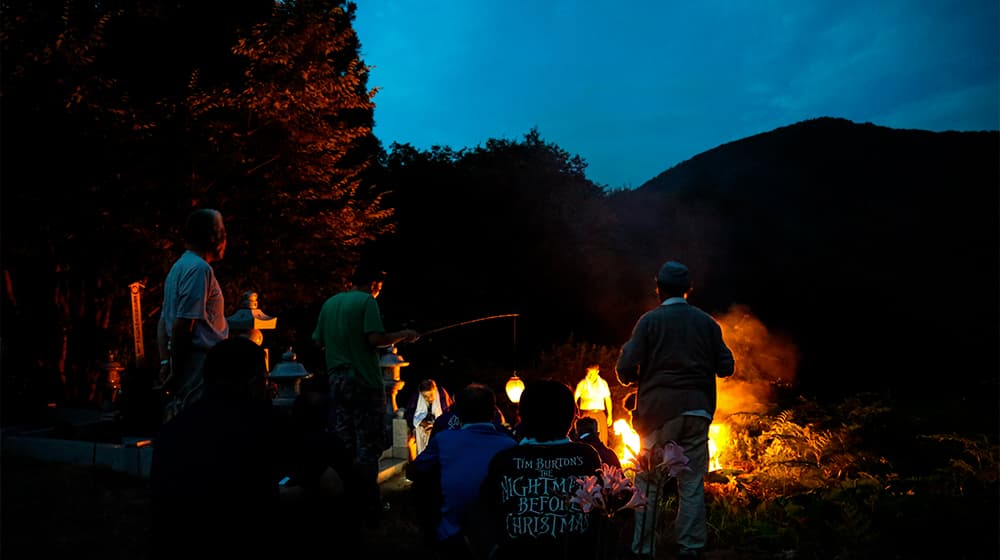
CAutumn
–October-December
In October, Tōno Meguri Toroge (directly translated as ‘Tōno Circular Lantern’) is held. This special collaboration event invites the traditional Shishi Odori crew and contemporary musicians. An impressive experience is guaranteed by the unique direction made for this one-night-only staging of Shishi Odori with a contemporary beat. Please enjoy the creative moment when a new festival is born. In November, there is a joint stage of traditional performances, followed by kagura shows held in various areas of the city in December. Visitors can experience a tranquil and calm Tōno before the arrival of deep winter.
- Tōno Meguri Toroge (directly translated as ‘Tōno Circular Lantern’): Weekend of October
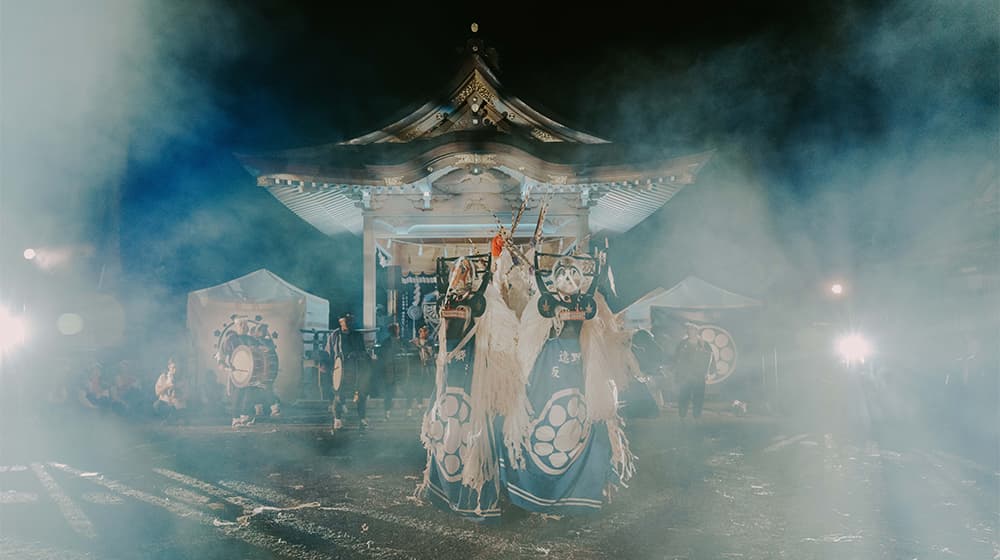
CWinter
–January-March
Tōno is one of the coldest areas of Japan, where it becomes minus 15 degrees Celsius during deep winter. Because of enduring this severe season, people grew their imagination and creativity towards another world. Today, residents enjoy the fireplace, making crafts, reading, and enjoying winter cuisine at home. The taste of seasonal dishes is exquisite, especially this season. Enjoy the time warming up and calmly conversing with local people. Then, on a morning when everything is frozen, feel how your body wakes up from the first breath you take as you step outside.